Setting a civil society-led agenda for migration governance
The Reclaiming Space: Civil Society Strategy and Engagement Forum brought civil society and other stakeholders together around an agenda defined and led by civil society, moving from political analysis and collective strategy to practical engagement with decision-makers.
A Civil Society-Led Agenda
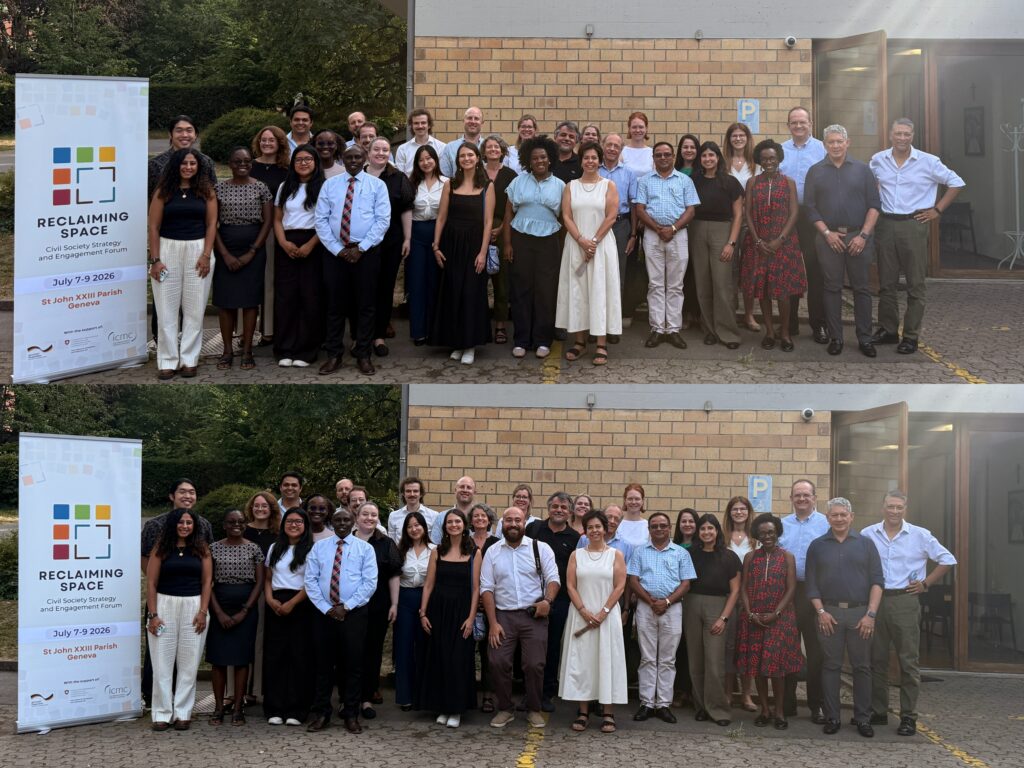
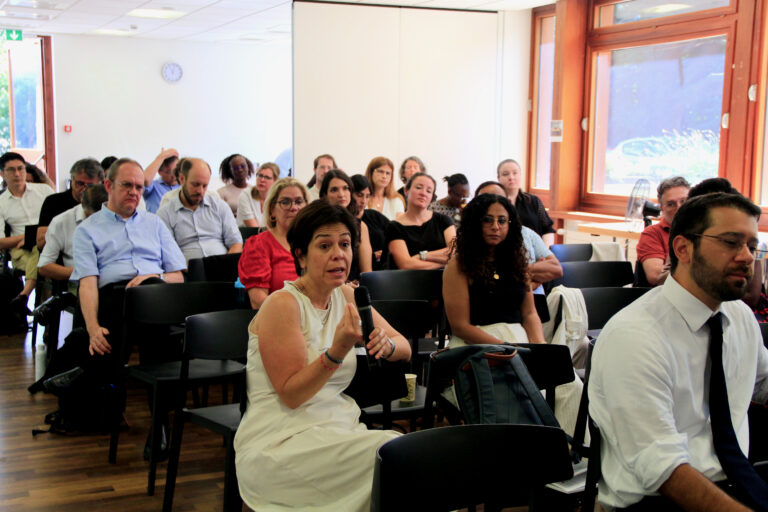
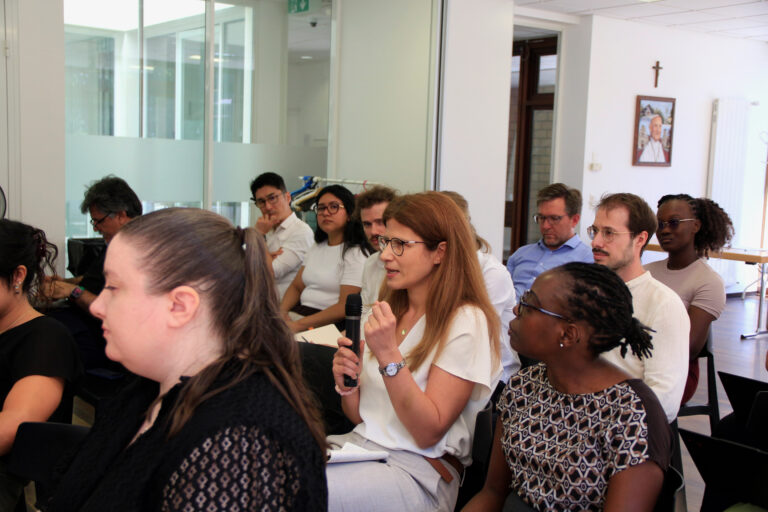
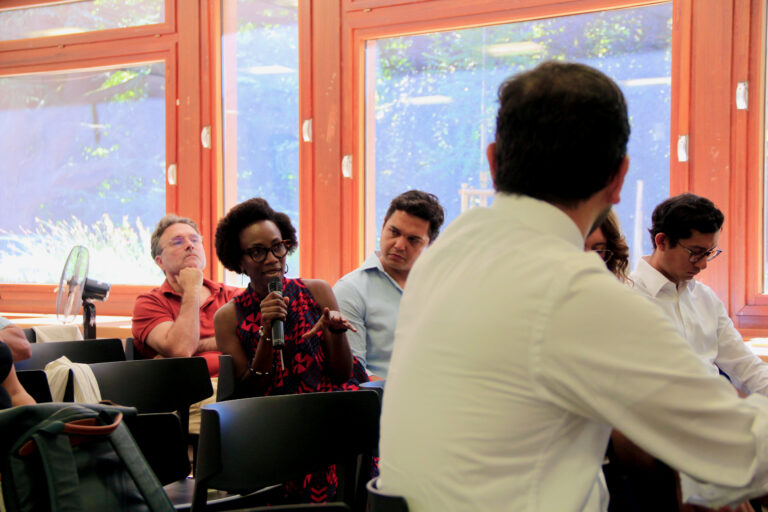
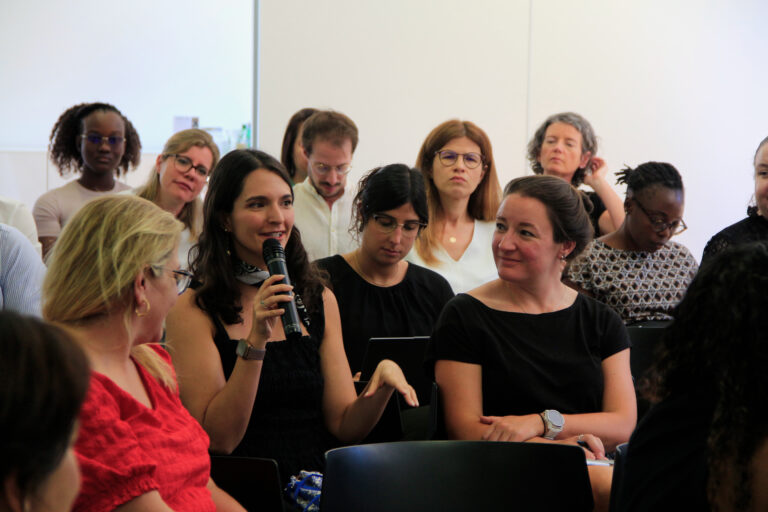
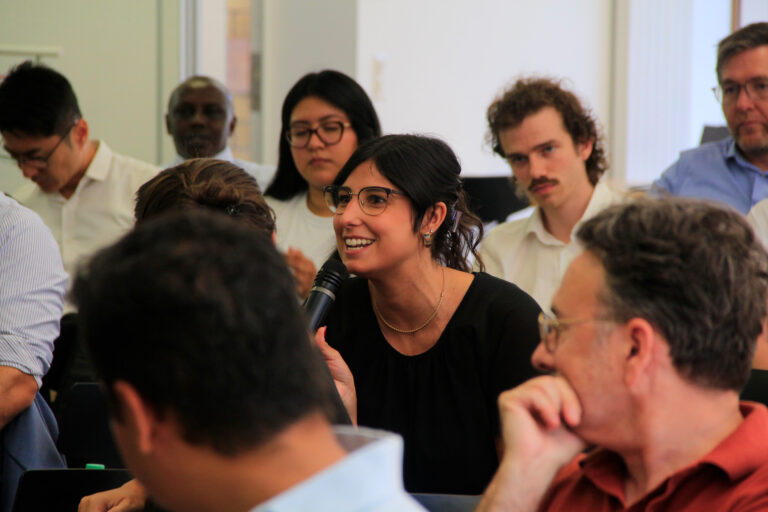
From 7 to 9 July 2026, the Civil Society Action Committee convened the Reclaiming Space: Civil Society Strategy and Engagement Forum in Geneva. For the first time, the Action Committee brought civil society and other stakeholders together around an agenda defined and led by civil society.
The Forum also provided organised civil society with a dedicated global space to meet on its own terms, following a period in which civil society engagement had largely taken place alongside formal conferences and international migration processes.
The Reclaiming Space Forum took place independently of another international conference, summit or migration review. Organised civil society set its priorities, determined its working methods and established the terms of engagement before bringing Member States, UN agencies, donors and other stakeholders into the discussion. This placed multistakeholder conversations within a civil society-led space and allowed participants to examine migration governance across processes, regions and thematic areas.
Main Outcomes of the Forum
The Forum’s outcome document consolidates the discussions, recommendations and effective practice guidelines developed across the three days and provides a framework for continued coordination across migration governance processes and sustained engagement between international milestones.
Based on the discussions that took place and the notes from all the group activities, in this outcome document you will find:
- Overall takeaways
- Key takeaways on civil society engagement in global migration processes
- Key takeaways on civil society advocacy for interactive dialogue spaces
- Key recommendations
- Effective practice guidelines for impactful multistakeholder engagement

Background, Participation of Breakdown of the Three Days
Why the Forum Took Place
The timing responded to an increasingly restricted global context. Civil society actors, particularly migrant-led, grassroots and marginalised organisations, face visa restrictions, financial constraints, reduced funding and diminishing civic space. Migration policies and public discourse have also become more punitive, placing additional pressure on organisations and human rights defenders working with migrants and people on the move.
These conditions affect who can participate in international discussions, whose experiences inform decision-making and how civil society can influence policy outcomes.
The Forum focused on two practical questions: what can civil society do in contexts where the rule of law is inconsistently upheld, and how can civil society advance migrant rights under these conditions?
These questions guided discussions on protecting civil society space and preserving the rule of law, alongside thematic work on climate mobility, social protection, human rights and labour rights, gender, diaspora communities and community engagement.
The Forum aimed to strengthen the capacity, coordination and strategic engagement of civil society across migration governance processes. Participants considered the outcomes of the 2026 International Migration Review Forum (IMRF) and the future of the Global Forum on Migration and Development (GFMD), together with regional dialogues and thematic spaces where governments and other actors shape migration policy.
These spaces address connected issues and frequently involve the same communities. Civil society engagement across them remains fragmented. The Forum provided a space to identify common priorities, strengthen coordination and consider how advocacy can move across local, national, regional and international levels.
Participation and Representation
The Action Committee Secretariat selected 28 civil society representatives for the Forum. Visa difficulties prevented five participants from travelling, leaving 23 representatives residing across 18 countries and territories and representing 15 nationalities.
These difficulties demonstrated the direct effect of administrative and resource barriers on civil society representation. A further 20 participants joined the multistakeholder sessions, including representatives of Permanent Missions, UN agencies, donors and other stakeholder groups.
Three Days of Strategy and Engagement
The programme followed a three-day progression from political analysis to capacity-building and direct engagement.
Day One: Setting the Context and Agenda
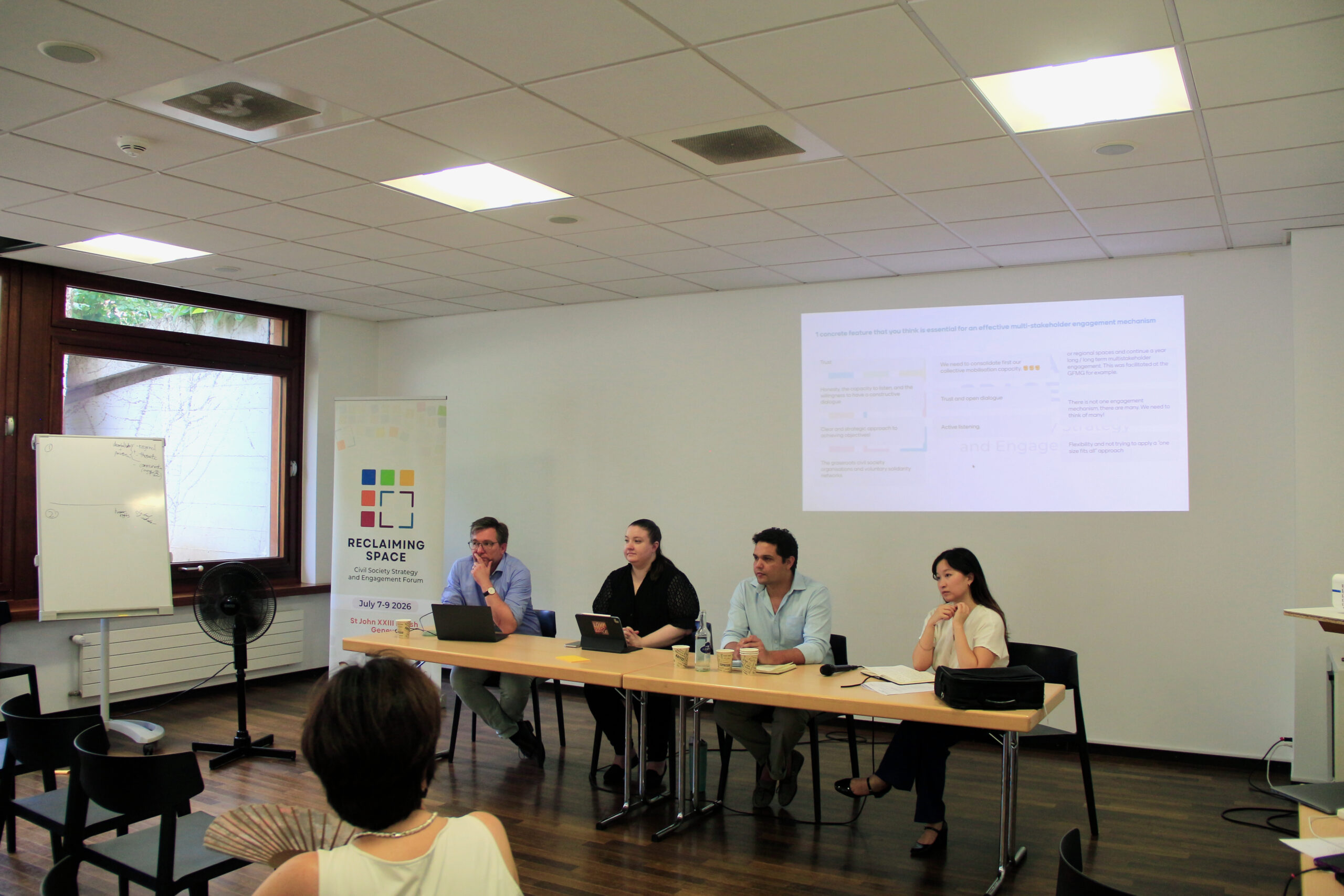
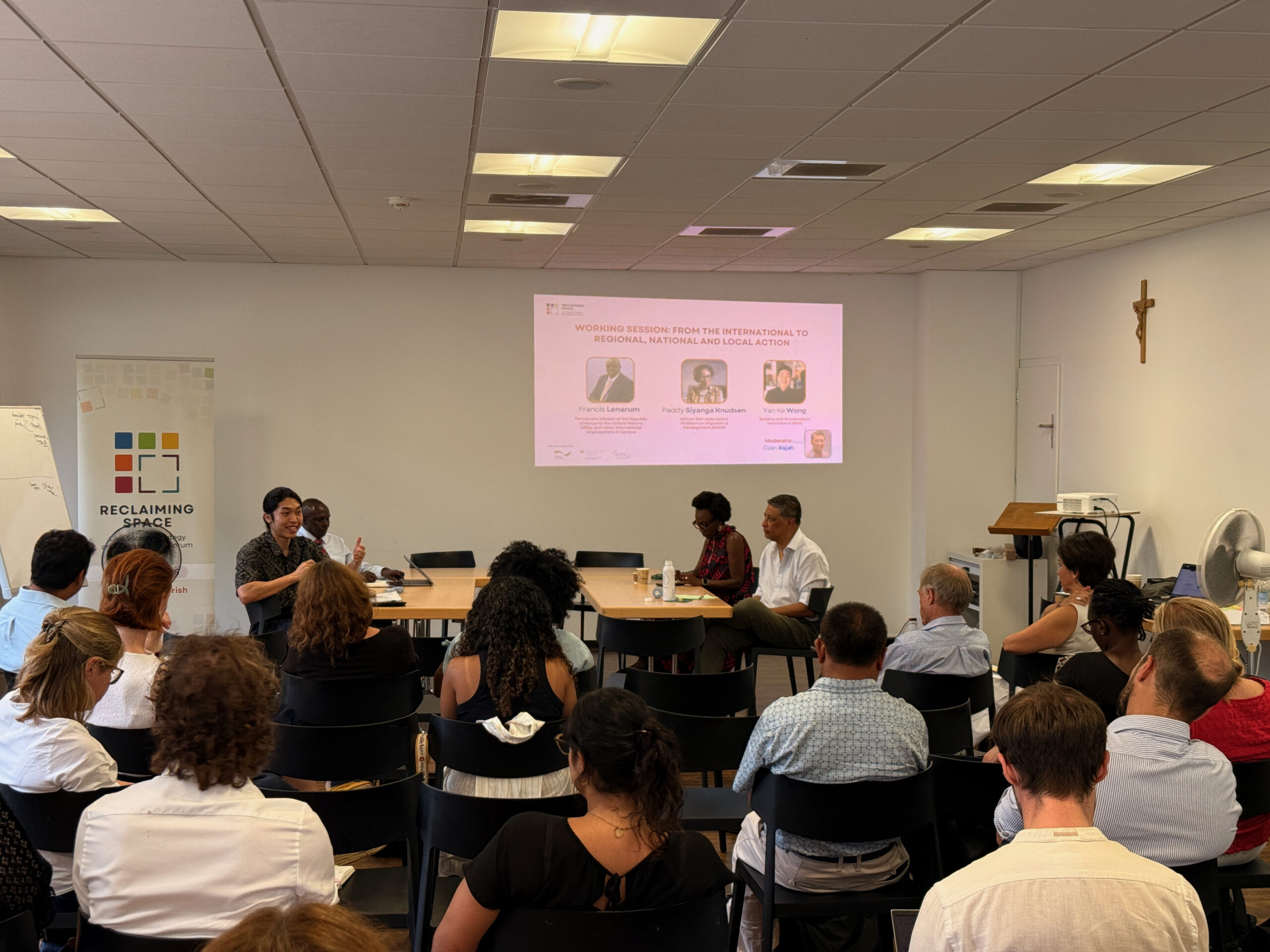
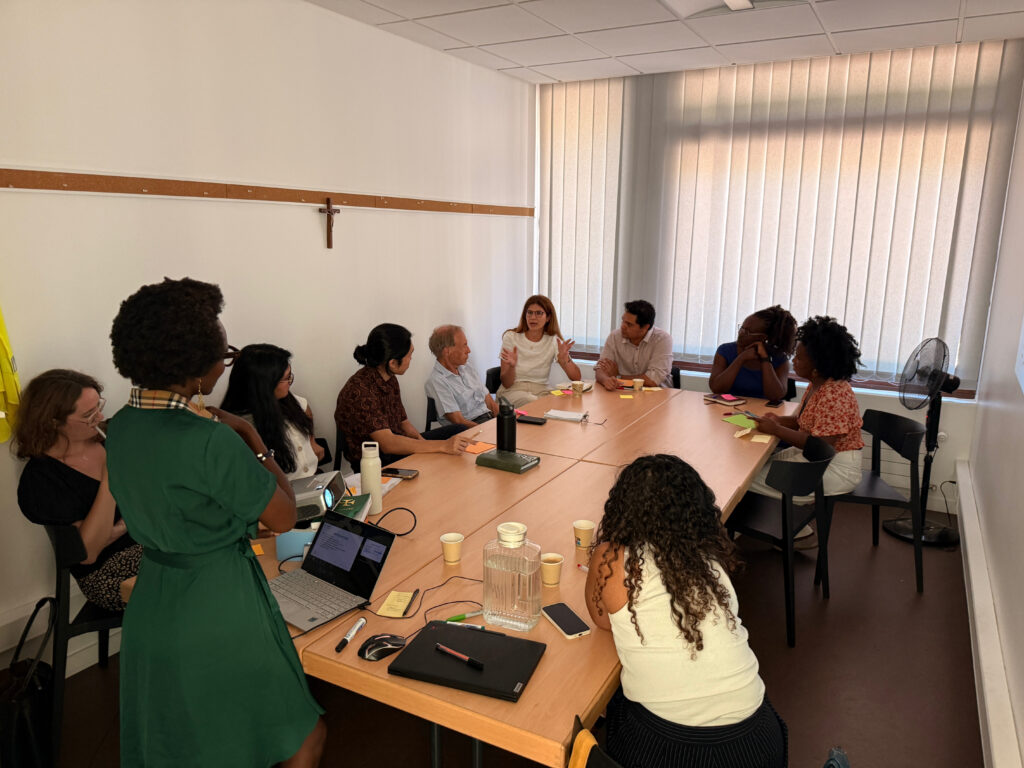
Day One established the political and institutional context through a civil society-led multistakeholder dialogue.
Participants examined the changing environment for advocacy-driven civil society, including reduced funding, restrictions on civic space and wider pressures on international cooperation. They reflected on areas of progress, limitations and gaps following the IMRF and identified their implications for civil society advocacy beyond New York.
The discussions also considered how reform and financing debates recognise migrant-led, grassroots and local organisations as advocacy actors. Civil society representatives brought their priorities, including those identified by youth representatives, into direct discussions with Member States, UN representatives and donors.
As civil society had defined the agenda, other stakeholders entered a discussion structured around civil society’s analysis, priorities and questions.
Participants then identified potential areas for continued engagement across the GFMD, Global Compact for Migration reviews, regional dialogues, thematic forums and other spaces that influence migration governance. They also explored how international and national actors can work with cities, diaspora communities and regional processes to connect international discussions with national and local action.
Day Two: Building Capacity and Collective Strategy
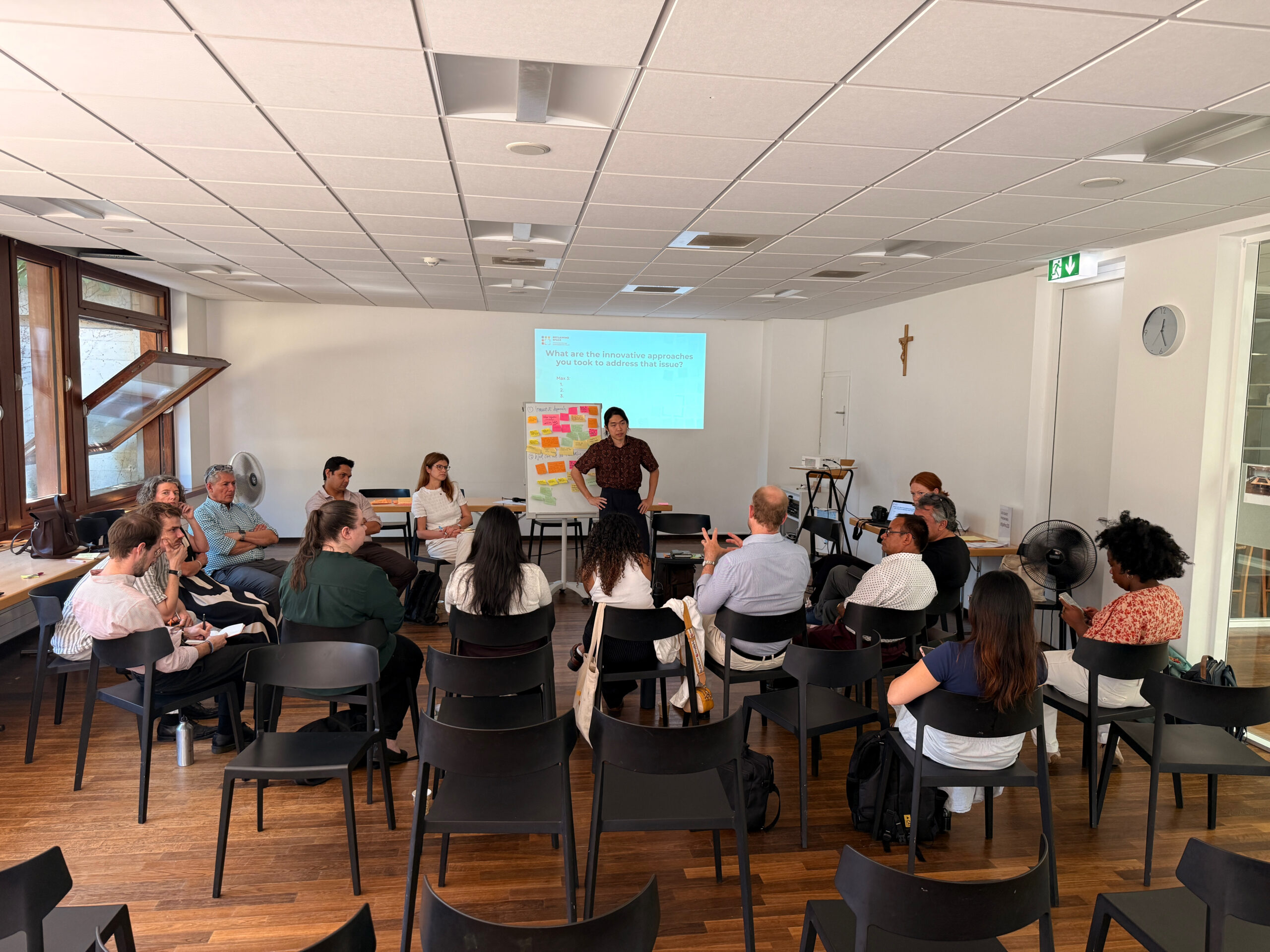
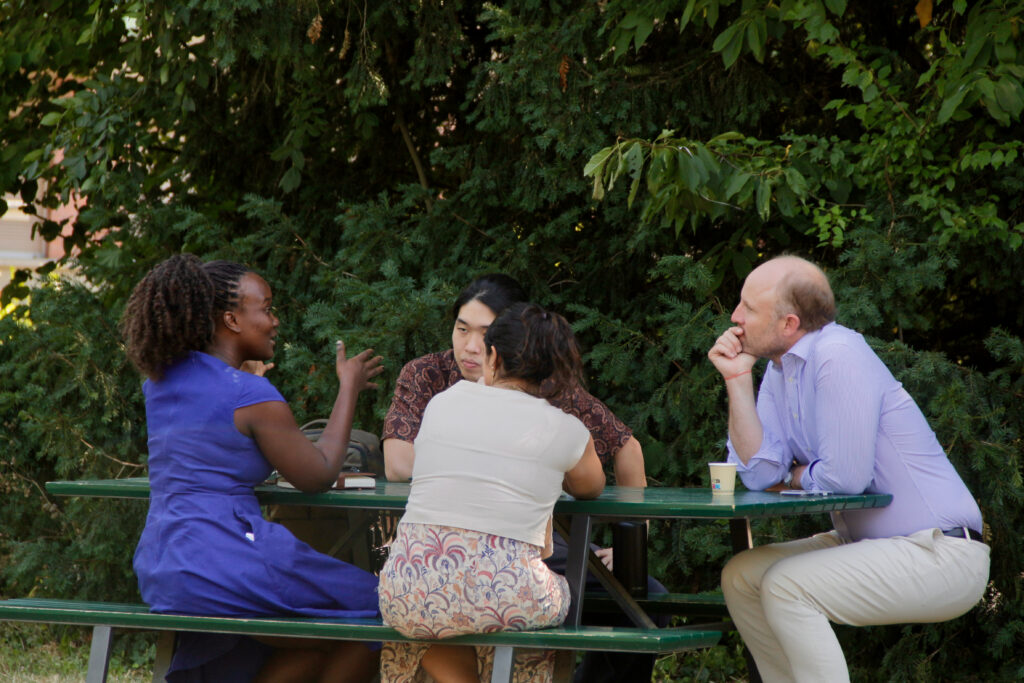
Day Two focused on capacity, exchange and practice. Civil society participants formed five core groups that remained consistent throughout the day. These groups created continuity across parallel workshops and allowed participants to build trust, exchange knowledge and examine how learning from different thematic areas applied to their own work.
Civil society leaders facilitated six workshops on:
- Climate mobility, livelihoods and local realities;
- Social protection, human rights and labour rights;
- Gender and participation in migration governance;
- Community engagement and the diaspora;
- Advocacy tools for engagement with decision-makers; and
- Preparation for diplomatic engagement.
After each session, participants returned to their core groups to share what they had learned, identify connections across themes and develop common messages. They then translated the discussions into advocacy asks, recommendations and possible entry points for engagement with Permanent Missions.
This methodology allowed knowledge from each workshop to circulate across the Forum and supported collective skills development.
Day Three: Applying the Strategy
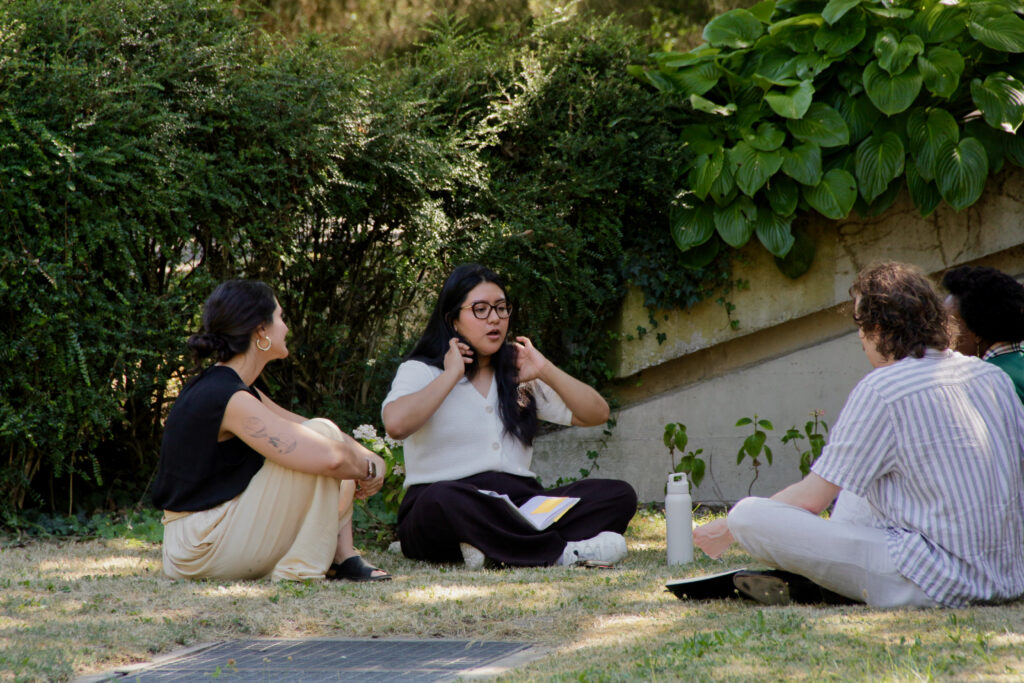
Day Three applied this work through direct engagement. Participants prepared key messages, questions, roles and meeting approaches for visits to Permanent Missions in Geneva. They considered how to adapt advocacy messages to different Member State contexts and how to plan follow-up after each meeting.
Following the visits, participants assessed what had worked, the challenges they encountered and the lessons they could apply to future engagement with decision-makers. This process connected the Forum’s political analysis and thematic discussions with the practical requirements of diplomatic advocacy.

The Reclaiming Space: Civil Society Strategy and Engagement Forum received support from the German Agency for International Cooperation, the Swiss Agency for Development and Cooperation and the International Catholic Migration Commission.